The breed gallery
Labrador Retriever
No breed stands at the atelier door as often as the Labrador Retriever. He came to England as a fisherman’s dog from Newfoundland, where the nineteenth-century sporting estates shaped him into a retriever — and he has since traded that working life for a place beside the sofa without losing any of it.
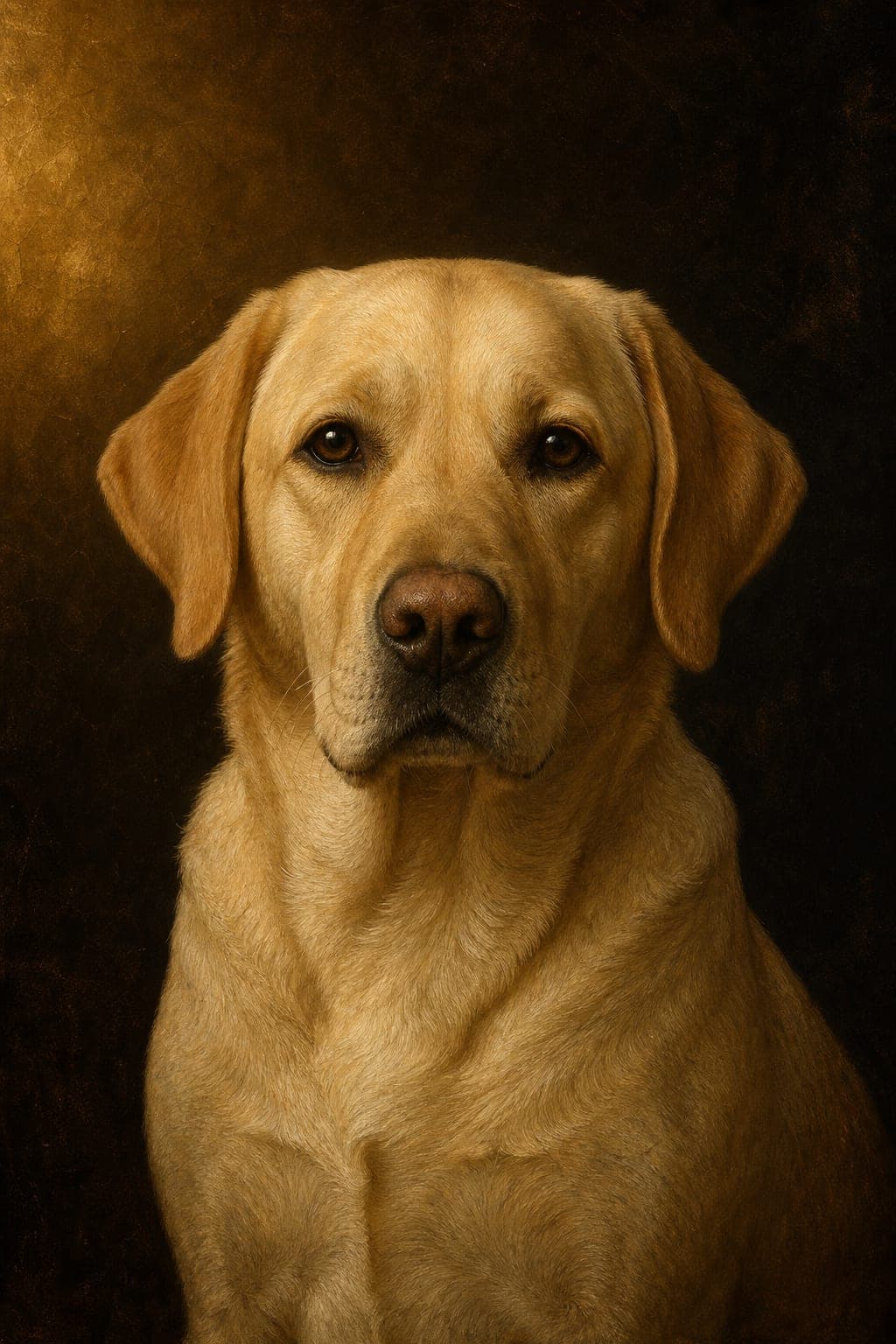
At the workbench the Labrador is a sitter who hides nothing: a broad skull, ears lying close against the cheeks, and a gaze that meets the portraitist without being asked.
- Origin
- Newfoundland, Canada; shaped as a breed in Great Britain, 19th century
- Coat
- short, dense and double, with a water-repellent topcoat; black, yellow or chocolate
- Height
- males roughly 56 to 57 centimetres; females slightly lower
- Weight
- roughly 25 to 36 kilos
- Life expectancy
- roughly 10 to 12 years
- Character
- friendly, eager to learn and pronouncedly people-oriented
Character
The Labrador is a dog without suspicion. The breed was bred to co-operate: to retrieve, to indicate, to come back — and that orientation towards people makes him equally suited as a family dog, a guide dog and a detection dog. Teach him something and you notice that he wants to.
That willingness has its reverse. Boredom and a too-generous food bowl are the two great pitfalls of this breed. A Labrador who is given daily work — searching, retrieving, swimming — is a pleasanter housemate than a Labrador who only waits.
Appearance and coat
The coat is shorter than it looks: a dense, hard topcoat over a woolly undercoat, together waterproof enough for a ditch in November. Black, yellow and chocolate are the three recognised colours, with yellow running from almost white to a deep fox red.
With a Labrador the portrait sits in the eyes; the rest of the head is only there to carry them.
The head is broad with a clear stop, the ears hang close along the cheeks, and the tail — thick at the root, round in section and free of feathering — is called the otter tail in the standard for good reason.
Care
A weekly brushing keeps the coat in order, with daily work during the two moults: a Labrador sheds more than his short coat suggests. More important still are the scales and the exercise; the breed eats gladly and gains weight quickly.
History
The ancestor is the water dog of Newfoundland, which sailed to English harbours with the fishing fleet. British landowners — the Earls of Malmesbury and the Dukes of Buccleuch foremost among them — built from him the retriever that was recognised as a breed of its own in 1903. The Labrador has topped the registration lists in almost every country since.
The portrait
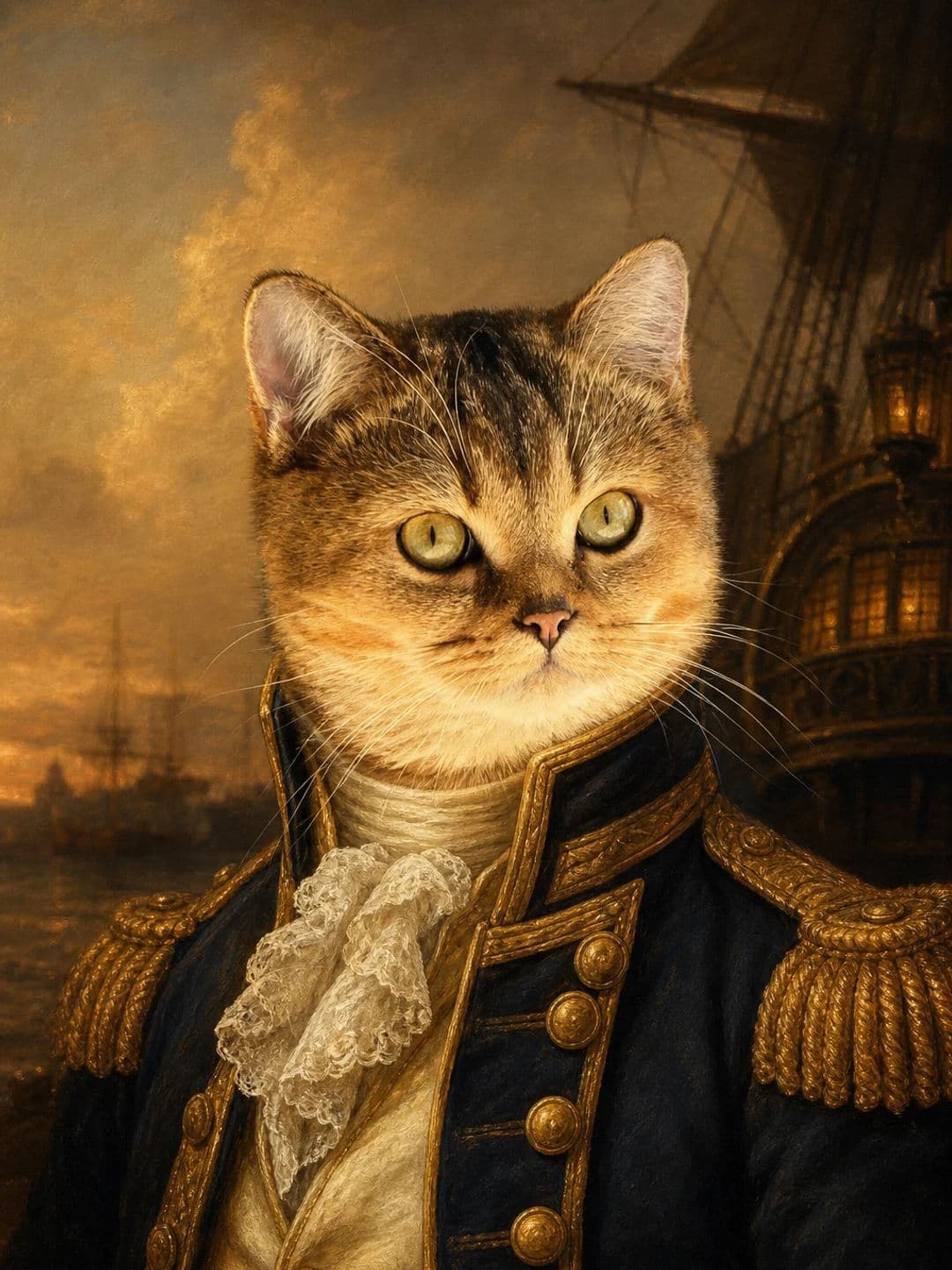
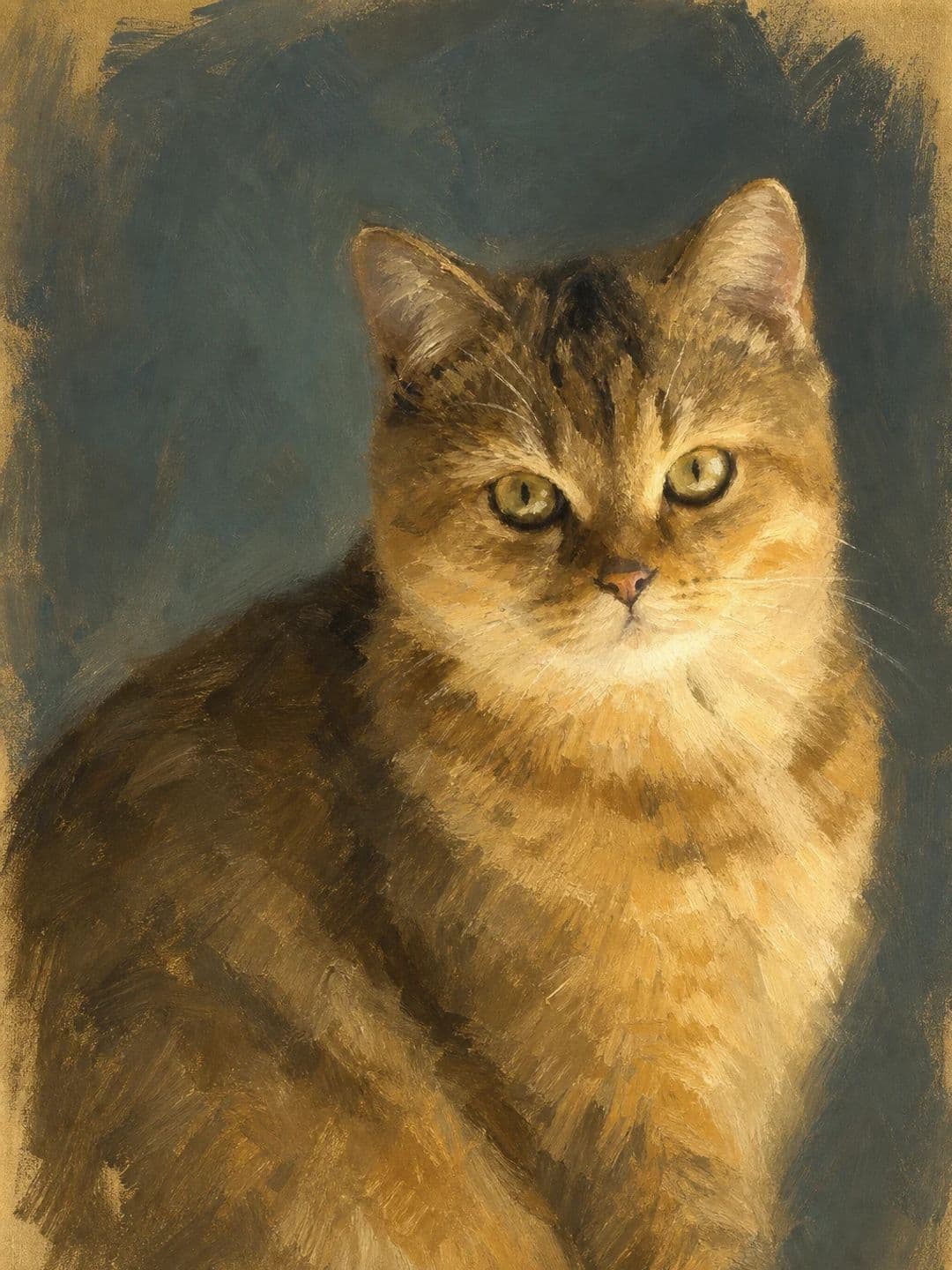
Your Labrador Retriever as an art portrait
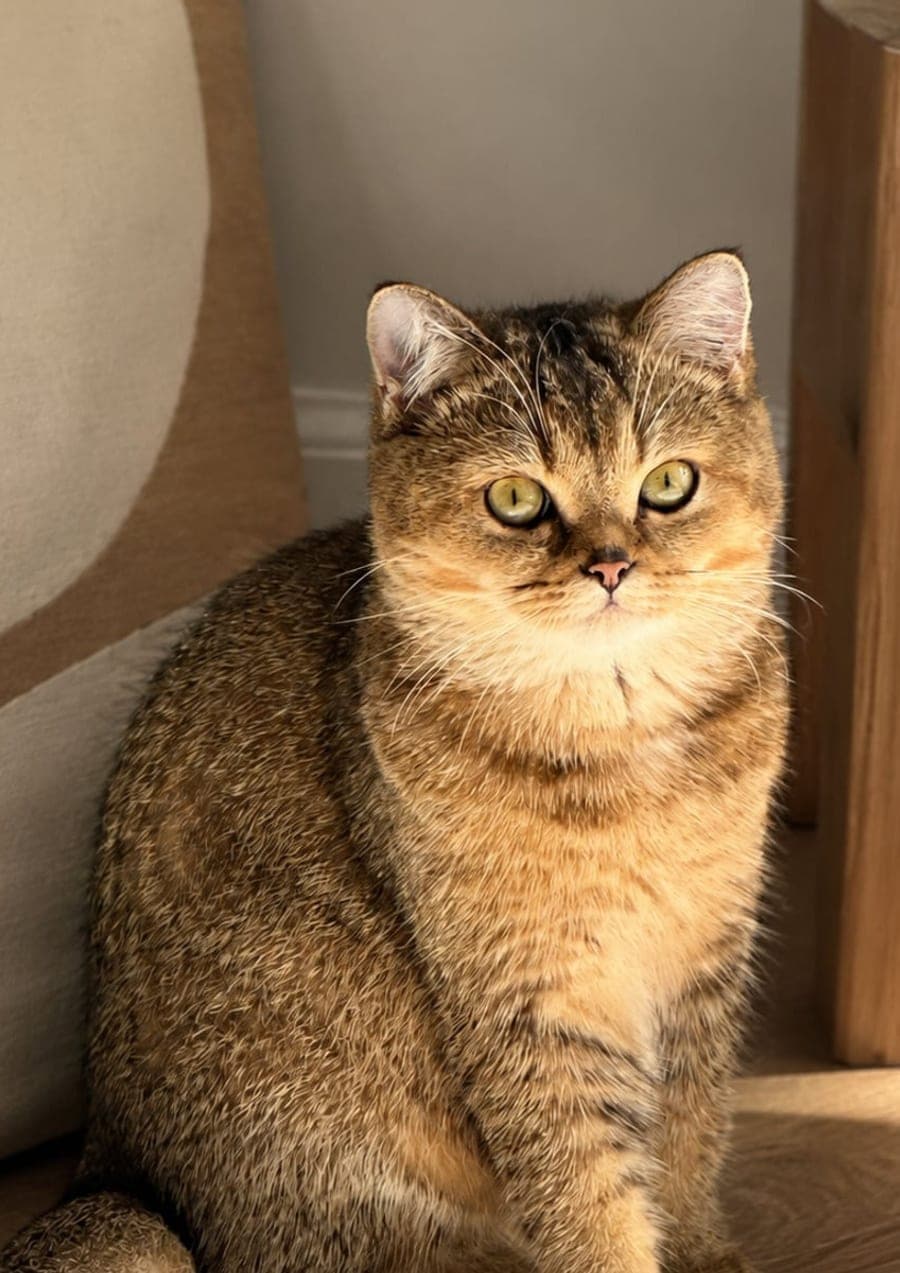
A Labrador needs no marking to carry a portrait: he needs light. An even coat calls for styles that work with sheen and warmth, so that black does not close up and yellow does not go flat. Photograph at eye level in daylight — the gaze does the rest.